
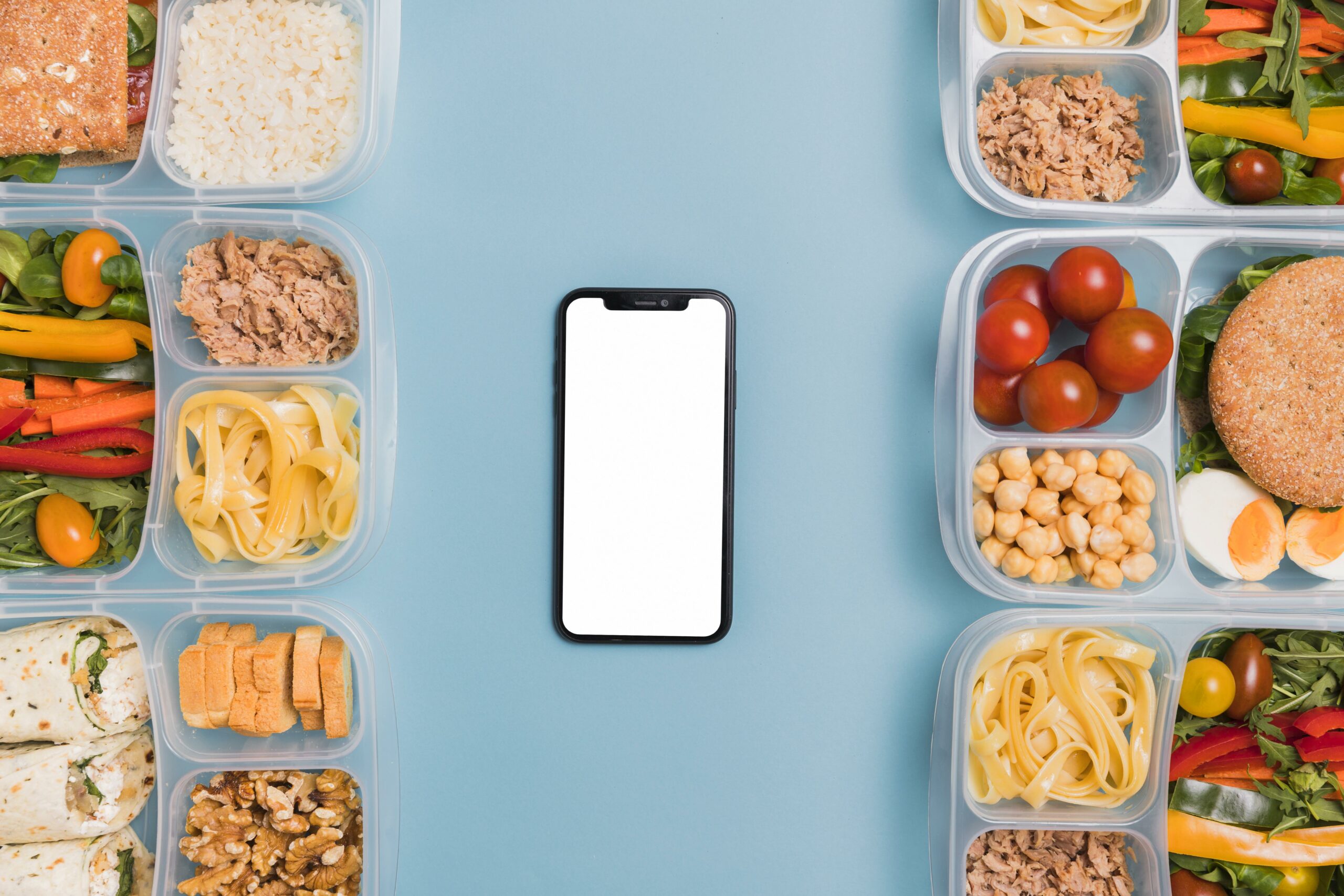
In cities like Toronto, Brampton, Surrey, and Calgary, something powerful is happening quietly.
Indian immigrants are building profitable, structured new businesses — not tech startups, not franchises — but something deeply cultural:
Home-style tiffin business.
What begins as “just cooking for a few students” often evolves into a 100+ customer operation. And at that point, it stops being a side hustle.
It becomes a startup.
But here’s the turning point most don’t anticipate:
Growth without systems creates chaos.
And that is where structured tiffin management, smart meal management, delivery routing, and professional websites become the difference between burnout and scalability.
Let’s break this down properly.
Why Tiffin Is the Perfect Immigrant Startup in Canada

From an economics perspective, tiffin businesses are uniquely positioned for immigrant entrepreneurs.
1. Low Initial Capital
No storefront required. Many begin from licensed home kitchens.
2. Recurring Demand
International students and working professionals crave home-style Indian meals daily.
3. Subscription-Friendly Model
Weekly and monthly meal plans create predictable cash flow.
4. Community Network Effects
Word-of-mouth spreads quickly within immigrant communities.
This is classic startup economics:
- Recurring revenue
- High retention if quality is consistent
- Scalable operations
But economics changes when customer count increases.
The Reality: Growth Creates Operational Chaos
Most Indian tiffin businesses operate manually in the beginning:
- Orders via WhatsApp
- Payments via e-Transfer
- Addresses in Excel
- Menu updates through broadcast messages
This works — until it doesn’t.
Once you cross 50–80 customers, cracks appear:
- Customers forget payments
- Addresses get mixed up
- Delivery routes become inefficient
- Menu changes create confusion
- Customer preferences are hard to track
At 100+ customers, the business isn’t about cooking anymore.
It’s about management.
This is where structured tiffin software becomes critical.
From Kitchen to System: Why Tiffin Software Is the Growth Lever
A serious food startup requires operational infrastructure.
A proper tiffin management software centralizes:
- Customer records
- Active subscriptions
- Menu selections
- Delivery schedules
- Order modifications
- Communication tracking
Instead of scattered tools, everything operates in one structured meal management system.
The goal is simple:
Reduce decision fatigue. Increase predictability.
For immigrant founders juggling family, deliveries, sourcing, and cooking — clarity is profit.
This is exactly where modern tiffin software like Tiffy helps convert a growing food service into a scalable startup.
The Website Shift: From Informal Orders to Professional Presence
Another major turning point for a new business is moving from social media ordering to a structured website.
Instagram and WhatsApp work for discovery.
They do not work for scale.
A professional website for a tiffin business does several things:
- Creates credibility
- Enables structured order placement
- Reduces manual back-and-forth messaging
- Makes pricing transparent
- Organizes subscriptions cleanly
For customers, it builds trust. For owners, it builds efficiency.
With a platform like Tiffy, tiffin businesses can launch a dedicated website tailored specifically to their operational model — not a generic food template, but something built for recurring meal management.
That shift alone changes perception from “home cook” to “organized startup.”
Delivery Routing: The Hidden Economics of Profit
Most operators underestimate how much profit is lost in delivery inefficiency.
Consider Canada-specific realities:
- Long suburban distances
- Snow-heavy winters
- Fuel costs
- Traffic clustering
Without structured delivery routing, drivers zigzag unnecessarily.
Time increases.
Fuel costs rise.
Mistakes happen.
Proper delivery routing software allows:
- Route optimization
- Address clustering
- Delivery sequencing
- Organized scheduling
- Clear driver allocation
Even small route improvements compound monthly savings.
Tiffy’s delivery routing system supports structured route planning and even enables printing delivery labels — reducing address confusion and missed drop-offs.
That’s not just convenient. That’s operational economics.
Clean UI & Simplicity Matter More Than Features
Here’s something often overlooked:
Not every immigrant entrepreneur is deeply technical. Many are incredibly hardworking operators but do not want complex dashboards, bloated features, or steep learning curves.
The ideal tiffin management system must be:
- Easy to understand
- Clean interface
- Simple workflows
- Quick to implement
- Practical for daily use
A cluttered system increases stress.
A clean UI reduces it.
Tiffy is built with that clarity-first approach — enabling meal management without overwhelming the user. That matters in real-world operations.
From Small Kitchen to Micro-Economy

When viewed at scale, Indian tiffin businesses contribute more than meals.
They:
- Employ delivery drivers
- Support local Indian grocery stores
- Serve 100+ families per operator
- Circulate money within community ecosystems
Each organized tiffin startup strengthens local immigrant economies. But without structured management systems, many stall at 60–100 customers.
The businesses that scale are the ones that adopt:
- Professional websites
- Centralized tiffin software
- Delivery routing systems
- Clean operational workflows
In other words:
They stop operating informally.And start operating like startups.
The Bigger Shift
The immigrant dream in Canada has evolved. It’s no longer just about finding employment.
It’s about building scalable, sustainable new businesses that serve cultural needs.
Tiffin services are at the center of that transformation. And like any serious startup, infrastructure determines longevity.
A strong meal management system.
A professional website.
Structured delivery routing.
Clear operational dashboards.
Print-ready logistics.
These are not luxuries anymore. They are growth requirements.
Read more about how software systems impact your business : AI in tiffin services .
Final Thought
The difference between a busy kitchen and a scalable tiffin startup is not cooking skill.
It is management. And that’s where structured tiffin software like Tiffy becomes more than a tool — it becomes the operational backbone for immigrant-led food businesses in Canada and beyond.
Because dreams grow faster when systems support them.